Smart lighting for residential construction

Good lighting makes the communal areas in residential complexes safe, comfortable, and pleasant to use. Thinq automatically adjusts the light level based on presence and connects different zones into a pleasant light route. This ensures there is always appropriate lighting, from the entrance and gallery to the bicycle shed and parking facilities.

Read more

What is Thinq for residential construction?

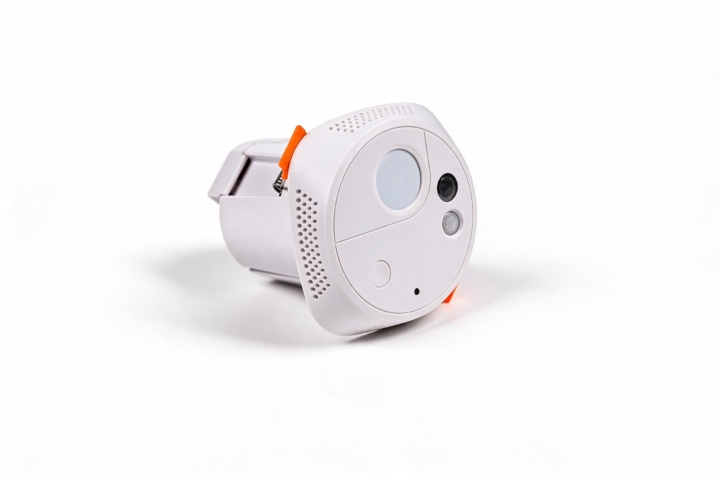
Thinq is a smart lighting control system where luminaires, sensors, and controls work together wirelessly. In residential complexes, you use Thinq to tailor the lighting in common areas to varying usage. In residential complexes, good lighting is important in galleries, entrances, storage rooms, bicycle sheds, and parking facilities. These spaces are not in continuous use. Thinq allows the lighting to react automatically to presence and preset light levels.


Go directly to:


How the light control works

Applying Thinq

Entrances – A welcoming entrance, always well-lit

Bicycle sheds – Safe and organized with smart lighting

Stairwells – Good visibility on every floor

Parking facilities – Lighting that moves with users

Galleries – Smartly lit, safe on the way

Functions for residential construction

Presence detection

Presence detection for spaces with varying occupancy

With presence detection, Thinq automatically switches lighting on when a space is being used. As soon as no more activity is detected, the lighting dims to a preset level or switches off completely. Thanks to wirelessly communicating sensors, the control system is easy to expand without additional control cabling. This makes Thinq suitable for both individual rooms and complete buildings.

Discover more in Key features

Neighbouring

Neighbouring to let adjacent zones respond to each other

With Neighbouring, you link adjacent lighting groups within Thinq. As soon as presence is detected in one group, the immediately surrounding groups automatically switch to a preset orientation level. This prevents a single lit zone from being isolated in an otherwise dark space. You determine in the Thinq app which groups are neighbors and what light level they assume during activity. Neighbouring is intended for equivalent, adjacent zones.

Discover more in Key features

Dimming levels

Determine how much light a luminaire provides within a space

Dimming levels determine how much light a luminaire provides within a room, group, or scene. With Thinq, you easily set different light levels, such as Max, Mid, and Min. This allows the lighting to automatically adapt to presence, daylight, and the use of the space. By choosing the right dimming level, you create more comfort, prevent unnecessary energy consumption, and do not need to make any adjustments to the cabling.

Discover more in Key features

Wireless connection

Wireless connection of luminaires, sensors, and controls.

With Thinq, luminaires, sensors, and wireless switches communicate easily with each other via a wireless mesh network. This eliminates the need for extra control cables and allows the lighting to react automatically to presence and daylight. The system is flexible to set up, easy to expand, and can be adjusted via the Thinq app.

Wireless wall switches

Wireless wall switches for manual control

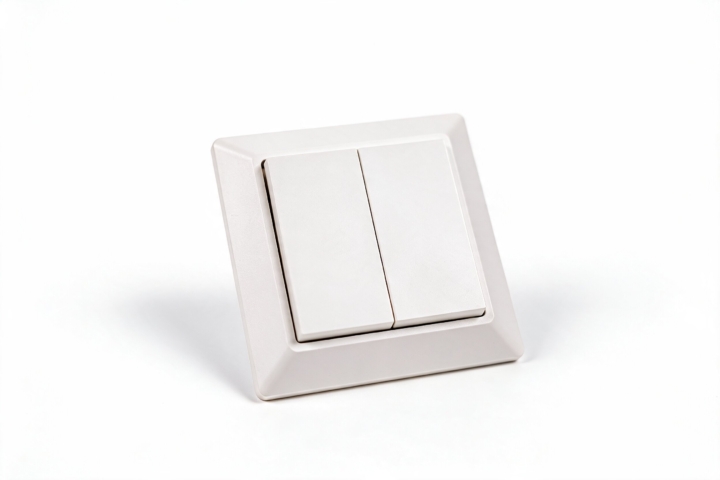
With the wireless switches from Thinq, you retain the benefits of automatic lighting control while users can always easily intervene manually. The switches communicate wirelessly with the Thinq network and make it possible to switch, dim, or activate scenes without additional cabling. This creates maximum flexibility for both new construction and renovation projects.

View products

Beyond

Thinq Beyond: From measuring to intelligent control

Measuring provides insight. Intelligent control ensures that a building can actually respond to those insights. Thinq collects current data from spaces and makes it available to other building systems. This allows lighting, ventilation, heating, and cooling to better align with actual occupancy and the indoor climate.

Thinq works as an additional data layer within the existing building architecture. The existing building management system does not need to be replaced. Thinq measures current room data and passes it in real-time to a gateway. The gateway then forwards the data to the BMS/BMS and any dashboards. Room data can be exchanged with a BMS/BMS, room controller, or HVAC installation via standard protocols such as BACnet, Modbus, and MQTT. Which connection is applied depends on the project architecture and the available equipment.

Learn more about Thinq Beyond

Thinq products for residential construction

Infinitely scalable

Thinq builds its own wireless mesh network and is not dependent on Wi-Fi. The system can grow from a single room to large buildings with more than 10,000 network points.

Independent

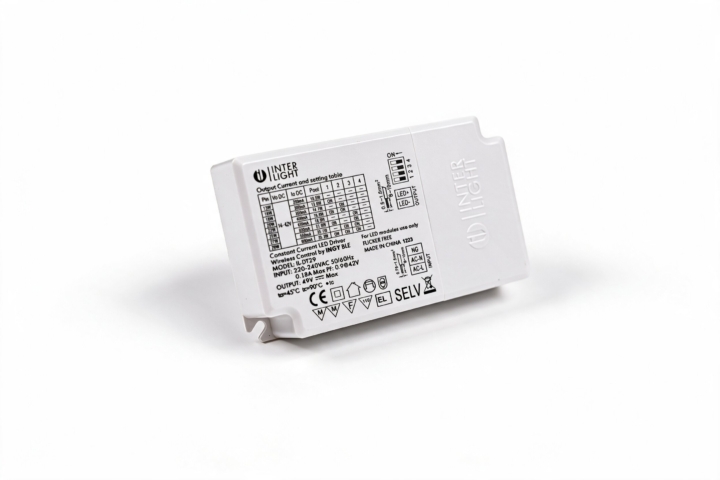
Thinq is not tied to a single fixture brand. Different types of lighting and controls, including DALI and 0-10V, can work together within one system and be configured via the same app.

Simple installation

Because no separate control cabling or central unit is required, installation becomes simpler and requires less material and installation time. According to the page, the total savings compared to a wired DALI system averages around 10%.

Take a look at these beautiful projects

What may we make smart?

We are always at your service and are happy to assist you with your inquiry. Please contact us through one of the methods below.

Or send an email

This field is for validation purposes and should be left unchanged.

Share this list
Request a quote