Relays & modules

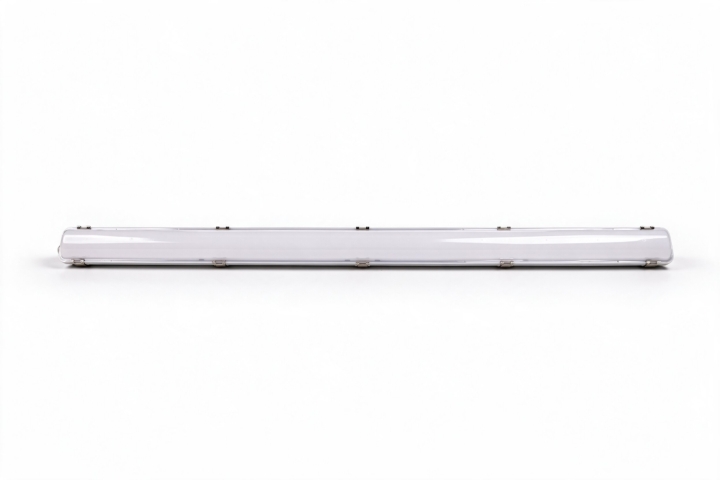
Not all lighting in a building needs to be equipped with an integrated sensor or smart driver as standard. With the relay modules and input modules from Thinq, existing fixtures, decorative lighting, and fixtures from other manufacturers can also be included in the same wireless light control system. This creates a single smart lighting network in which all lighting works together seamlessly.

Relay modules

Relay modules

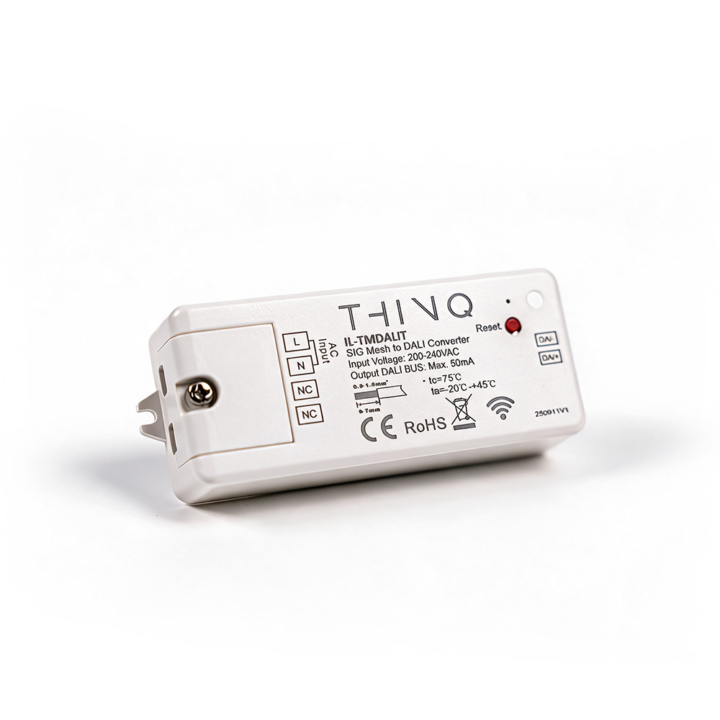
With a relay module, existing lighting can become part of the Thinq network. The relay receives wireless commands from the system and subsequently switches the connected lighting on or off. This allows, for example, designer fixtures, light lines, accent lighting, or fixtures from other manufacturers to switch in unison with Thinq sensors and wireless switches. When a presence sensor detects movement, not only can a Thinq fixture be controlled, but also all linked lighting connected via a relay module.

This offers maximum flexibility within a project. You are not dependent on a single brand or type of fixture and can easily combine different lighting solutions within one intelligent lighting system.

T4 Input module

T4 Input module

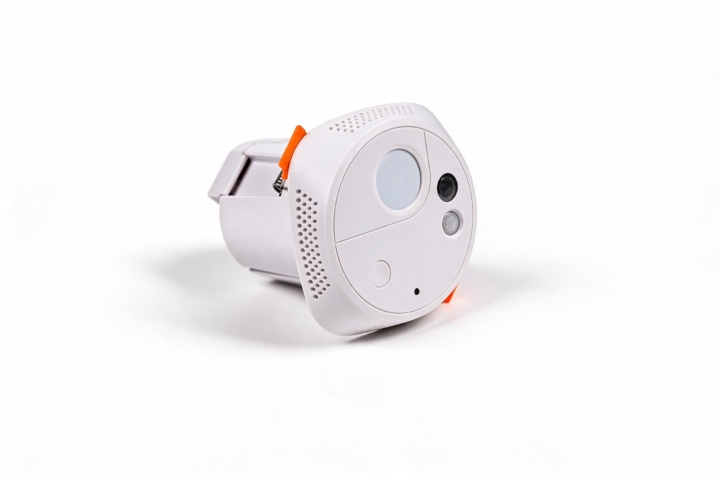
While a relay module controls an output, the T4 input module is specifically designed to process external signals within the Thinq network. The T4 input module converts an analogue contact signal into a digital wireless signal. This signal is then forwarded via the Thinq network to fixtures, relay modules, or other components.

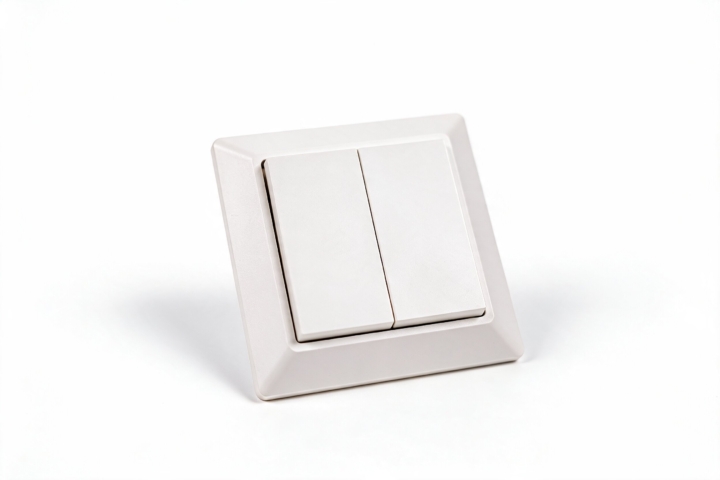
This allows, for example, a traditional wired wall switch to be used as a control for wireless lighting. The switch is connected to the T4 input module, after which the Thinq system switches the lighting on or off wirelessly. In this way, you combine the simplicity of existing switches with the flexibility of a wireless light control system. The module can also be used to process signals from other systems. Think of potential-free contacts from an alarm installation, building management system, or access control system. These signals can then be used within the Thinq network to automatically control lighting or light scenes.

Thinq slimme verlichting in scholen

The application

Applications of Thinq relays & modules

Thinq relay and input modules are widely used in projects where multiple types of lighting converge. Think of offices where designer fixtures must switch in unison with smart LED panels, schools where existing lighting is retained during a renovation, or retail projects where accent lighting becomes part of an intelligent lighting plan.

In public buildings, healthcare institutions, and warehouses, the modules also offer a practical solution for incorporating existing lighting into the Thinq network. This allows all light points to benefit from the same energy-saving functionalities without the need to replace entire lighting installations.

Why choose Thinq relays & modules?

Why choose Thinq relays & modules?

With Thinq relay and input modules, you can make almost any fixture part of a smart and wireless light control system. Existing lighting can be retained, fixtures from different manufacturers can be combined, and traditional switches can be integrated into the same network.

This makes these modules the ideal solution for projects where smart and non-smart lighting must work together within a single centrally manageable, scalable, and future-proof Thinq network.

Relevant product categories

Share this list
Request a quote